
Limbal Stem Cell Deficiency (LSCD) – A Blinding Disease with No Approved Therapeutic Treatments
LSCD is a progressive and blinding disease of the ocular surface, caused by loss or dysfunction of limbal epithelial stem cells. The failure of limbal stem cells, which are essential for maintaining and regenerating the corneal epithelium, disrupts normal corneal homeostasis, leading to conjunctivalization and eventually vascularization of the corneal surface. This results in loss of corneal transparency, and progressive visual impairment including severe vision loss and functional blindness.
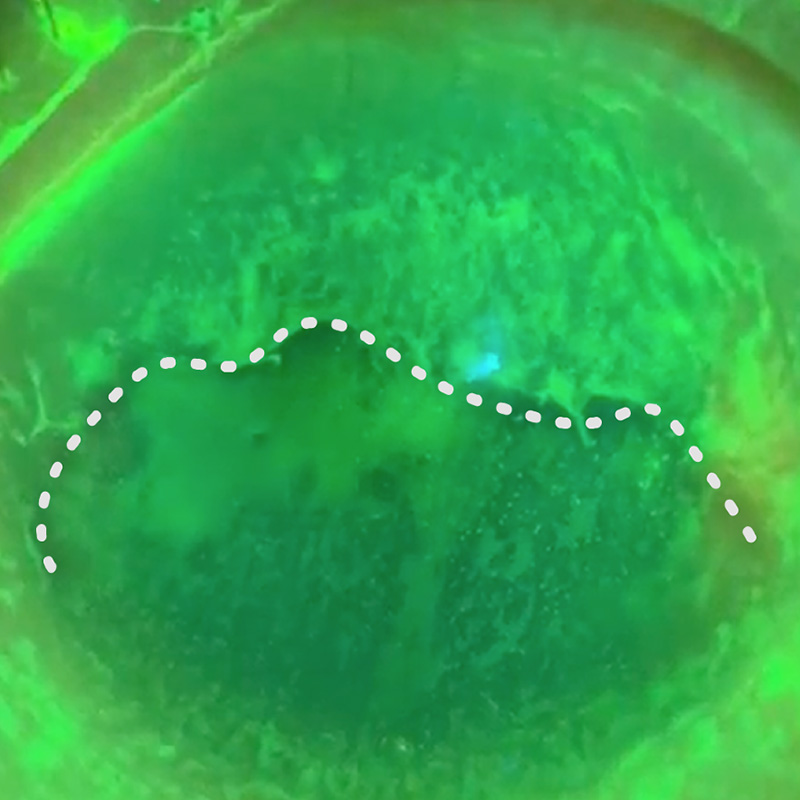
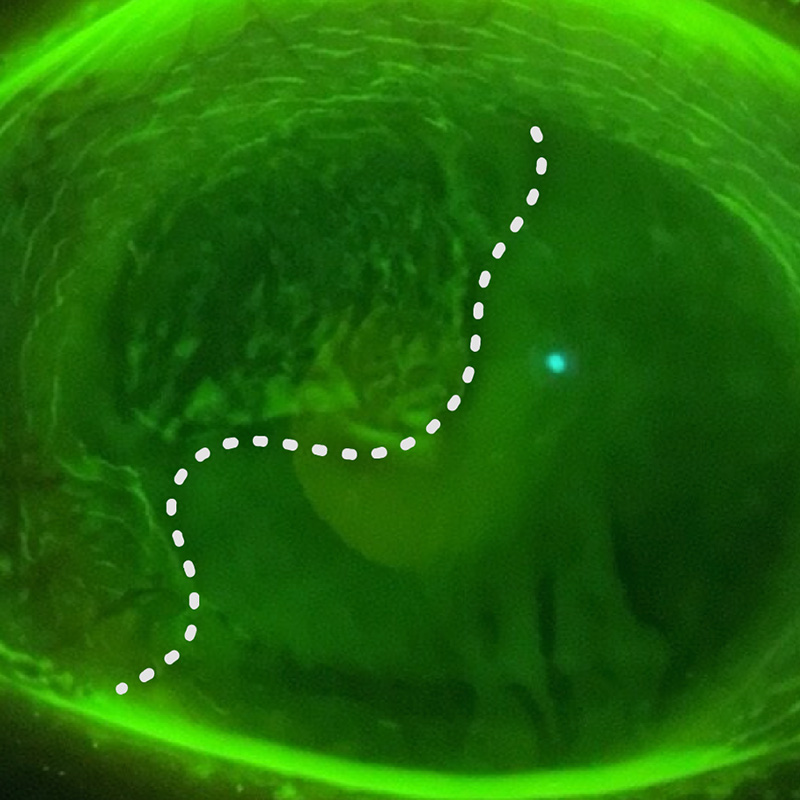
Eyes with LSCD and visible conjunctivalization as viewed under a slit-lamp with a Wratten filter.
Patients with LSCD experience blurred vision, often accompanied by ocular discomfort or pain, photophobia, glare, recurrent epithelial breakdown and persistent epithelial defects. These manifestations can significantly impair daily functioning, independence, and thus quality of life. LSCD is frequently under-recognized and misdiagnosed, with many patients initially treated for other ocular surface disorders. Delayed diagnosis and referral can result in prolonged ineffective management and continued disease progression.
Estimates indicate that at least 30,000 LSCD patients in the U.S. are actively being managed by an eye care professional, although given the lack of diagnosis, the number is likely larger.
Despite its profound clinical burden, there are currently no approved drug therapies that address the underlying pathophysiology of LSCD. Current management is largely limited to supportive measures aimed at maintaining ocular surface integrity and alleviating symptoms, while advanced disease is sometimes addressed by complex surgical intervention that frequently requires long-term systemic immune suppression. These procedures are resource-intensive, available only in specialized centers, and have variable outcomes. Consequently, many patients continue to experience progressive ocular surface deterioration and irreversible vision loss.
This significant unmet need for a serious disease underscores the importance of developing pharmacologic therapies that target the underlying biological mechanisms responsible for LSCD and ocular surface failure. CSB-001 (oremepermin alfa ophthalmic solution) is designed to meet this need.